Will AI annoy your customers? Only if you set it up to
The fear that automation will irritate people is reasonable, because most of us have been on the wrong end of a bad bot. Here is what actually makes customers angry, and how to avoid every one of those things.
Operations · 22 July 2026 · 6 min read · By The OctaDezx team, Builders of the OctaDezx AI customer care platform
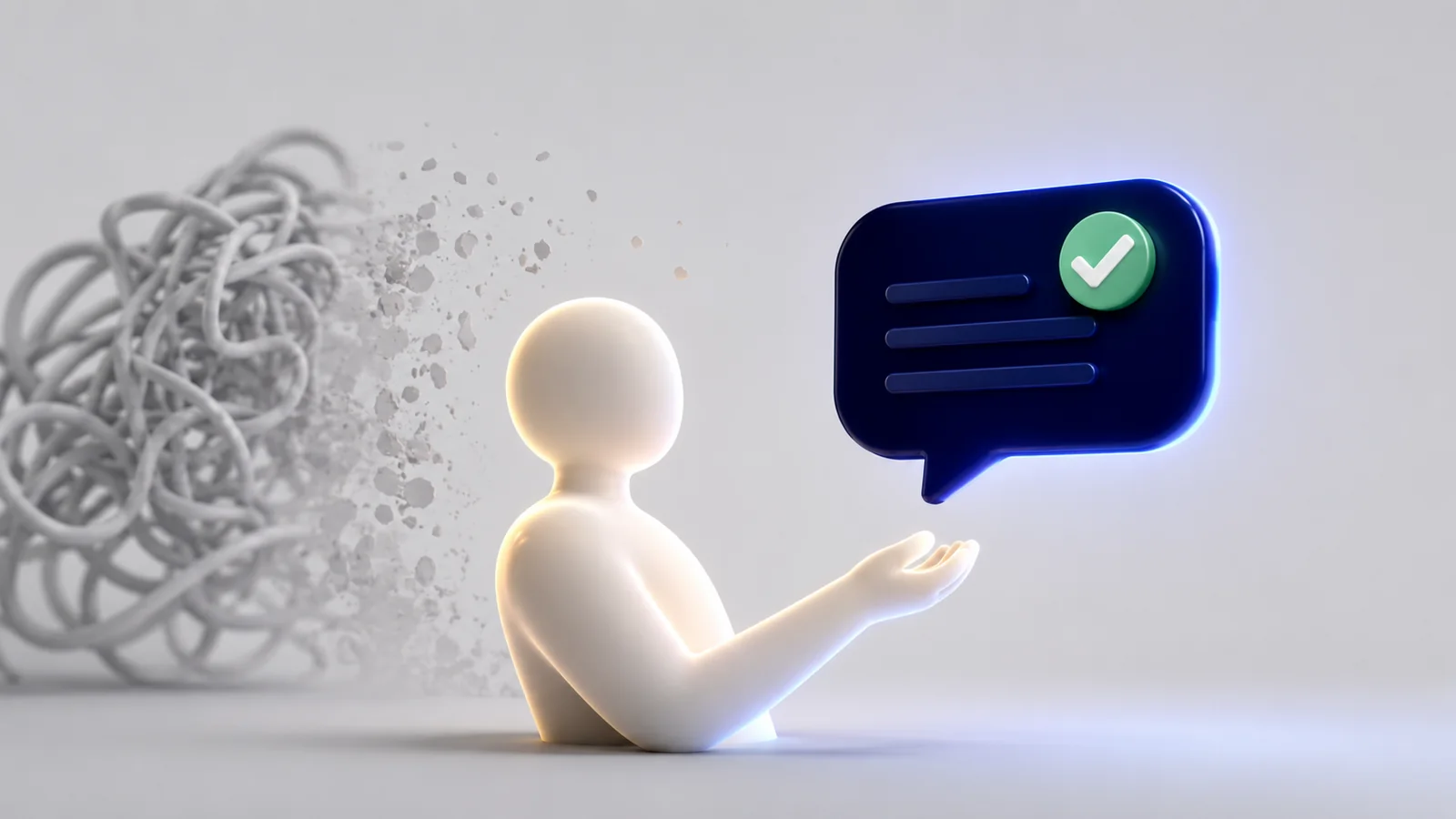
Key takeaways
- Customers do not resent AI. They resent being stuck, ignored, made to repeat themselves or told something wrong.
- Every one of those failures is a setup choice, not a limit of the technology.
- Always keep a human reachable, so nobody is ever trapped in a loop with something that cannot help.
- Ground every answer in your real catalogue and policies so the agent is never confidently wrong, and let it admit when it does not know.
- People do not have a preference for humans or machines. They have a strong preference for being helped quickly and correctly.
The worry is completely reasonable. Almost everyone has been trapped by a bad chatbot, sent in circles by something that could not understand a simple question, so the instinct that automation will annoy customers comes from real experience.
But the thing people hated was never AI as such. It was specific, avoidable failures. Get those right and the same customers do not just tolerate the AI, they often prefer it, because what they actually wanted was a fast, correct answer, and they do not much care who provides it.
What actually makes customers angry
It is worth naming the failures precisely, because every one of them is a setup choice rather than an inherent limit of the technology.
- Being stuck with no way out, when the thing cannot help and will not pass you to someone who can
- Being made to repeat yourself after you have already explained everything once
- Confident wrong answers, which are worse than no answer because they cost the customer time or money
- Being forced to phrase things the bot's way instead of your own
- Obvious stalling, where it is clearly buying time rather than helping
What customers actually want
Strip it back and customers want a small number of things, none of which specify a human. They want a correct answer, quickly, in plain language, with an easy route to a person if they need one. An AI that delivers those wins. A human who does not still loses.
This is why the do they prefer AI or humans question is usually asked the wrong way. People do not have a preference for the mechanism. They have a strong preference for being helped.
Customers do not resent AI. They resent being stuck, ignored, or told something wrong. Fix those three and the question of AI versus human quietly stops mattering.
The choices that keep it on the right side
Avoiding the anger is mostly about a few deliberate settings. Make a human always reachable, so no one is ever trapped. Ground every answer in your real information, so it is never confidently wrong. Carry context across the conversation, so nobody repeats themselves. And let it say when it does not know, rather than bluffing.
None of that is exotic. It is the difference between a tool set up to always have an answer and one set up to be honest, and customers can tell which one they are talking to.
So do they prefer AI or humans?
The honest answer from how people actually behave is that they prefer whichever gets them helped fastest, and they update quickly. A customer who gets an instant, correct answer at eleven at night does not wish a human had made them wait until morning. A customer trapped by a dumb bot wishes it had been anyone else.
The preference is not for the human or the machine. It is for competence. Build the AI to be competent and honest, and the fear that started this mostly answers itself.
Frequently asked questions
- Do customers hate talking to AI?
- They dislike the specific failures of bad automation: no route to a human, repeating themselves, confident wrong answers and being forced to phrase things the bot's way. When an AI answers correctly and instantly, most customers prefer it to waiting until morning for a person.
- Do customers prefer AI or human support?
- Behaviour suggests they prefer whichever gets them helped fastest. A customer who gets an accurate answer at eleven at night does not wish a human had made them wait. A customer trapped by a scripted bot wishes it had been anyone else.
- How do I stop AI support from frustrating customers?
- Make a human always reachable, ground answers in real business information, carry conversation context so nobody repeats themselves, and let the agent say when it does not know instead of inventing an answer.
Where this fits in OctaDezx
Keep reading
- How to roll out enterprise AI customer support with clear ownership
A practical enterprise AI rollout guide: choose a bounded pilot, assign knowledge owners, review permissions, test handoffs and integrate your existing systems. - Can AI handle angry customers?
Emotional conversations are where automation is most likely to make things worse. Here is what AI can safely do with an upset customer, what it should never attempt, and how to draw the line. - Why customers hate repeating themselves, and what fixes it
Being asked to explain the same thing twice is the most common complaint in customer service. It is also completely avoidable. Here is why it happens, and what a shared customer context actually changes.
About the author
The OctaDezx team, Builders of the OctaDezx AI customer care platform. We build OctaDezx, an AI customer care platform used by online stores, restaurants, agencies and clinics to answer customers and take orders around the clock. Everything here comes from running that product and reading real support conversations across those businesses, not from a keyword brief.